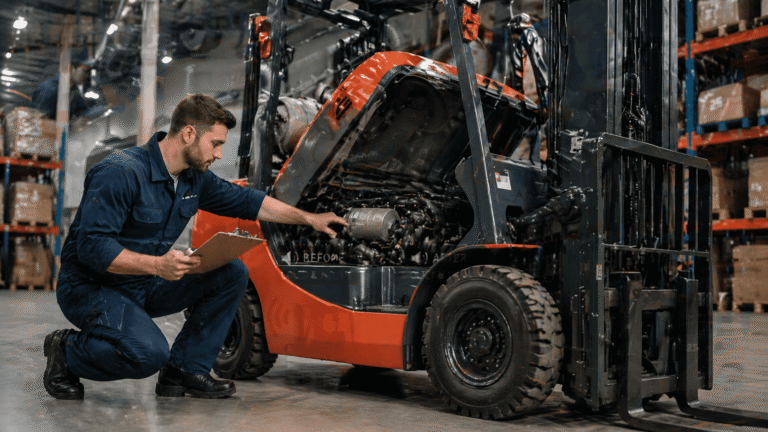
Worried about forklift noise disrupting your warehouse? It's more than an annoyance—it affects safety and focus. Let's see if electric models are the solution you need.
Yes, electric forklifts are significantly quieter than diesel models1. They operate without an internal combustion engine2, which eliminates the primary sources of noise: engine combustion and exhaust3. This makes them the superior choice for indoor environments where low noise levels are critical for communication and worker comfort4.
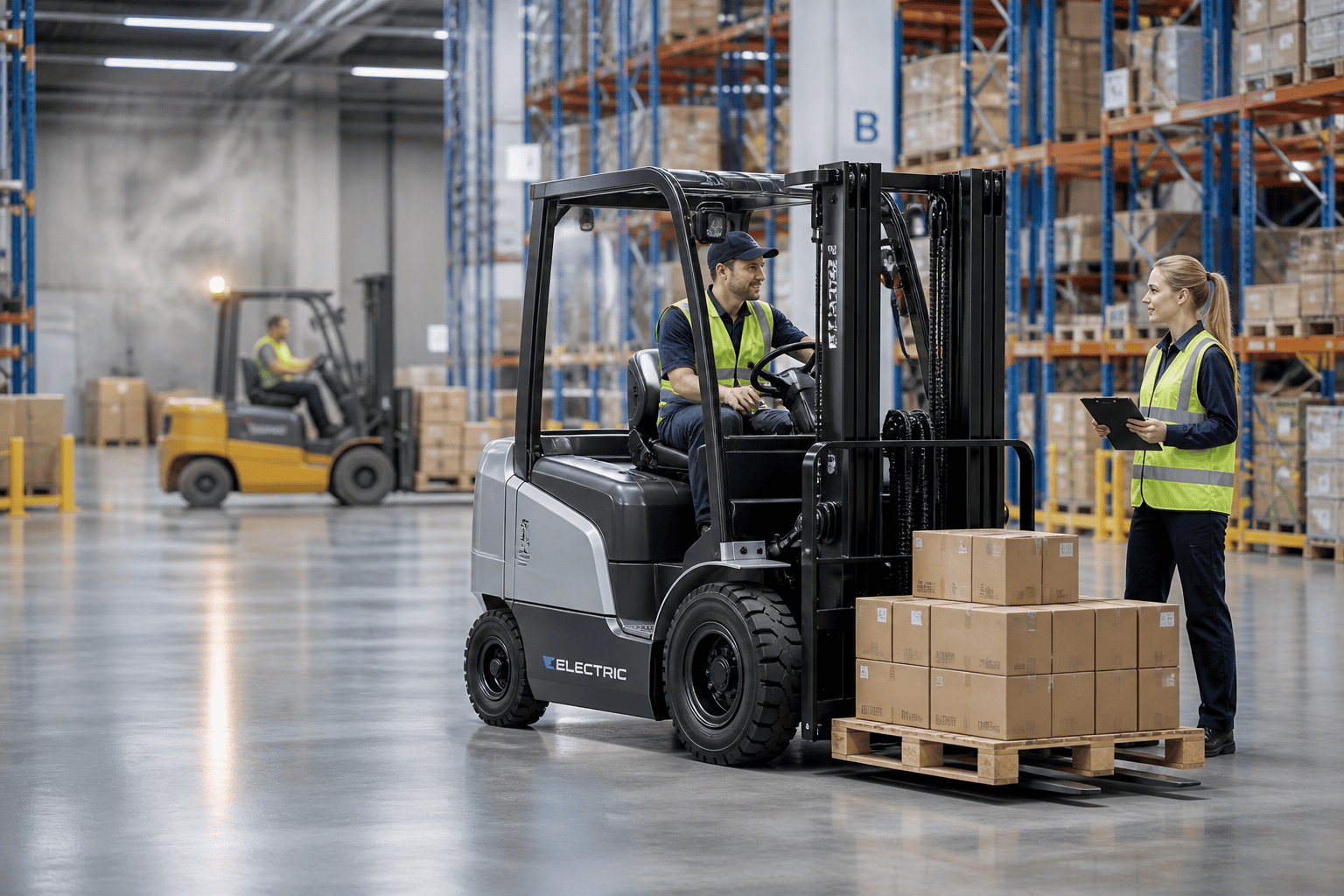
It seems like a simple choice then: electric forklifts for indoors and diesel for outdoors. As a supplier, I've seen many clients make decisions based on this simple rule. But the reality is a bit more complex. Noise is just one piece of a much larger puzzle when you are buying a forklift. To make the best choice for your business, you need to understand where the noise really comes from and what it actually means for your daily work. Let's break down the details that matter most.
Where Does Diesel Forklift Noise Actually Come From?
Thinking a diesel forklift is loud just because of its engine? The noise is more complex than that, and ignoring the other sources can lead to unexpected workplace disruptions.
Diesel forklift noise comes from many sources, not just one5. The main sounds are from the engine, the exhaust system, and mechanical vibrations. But you also get noise from the hydraulic system when lifting, tire friction on the floor, and mandatory safety alarms.
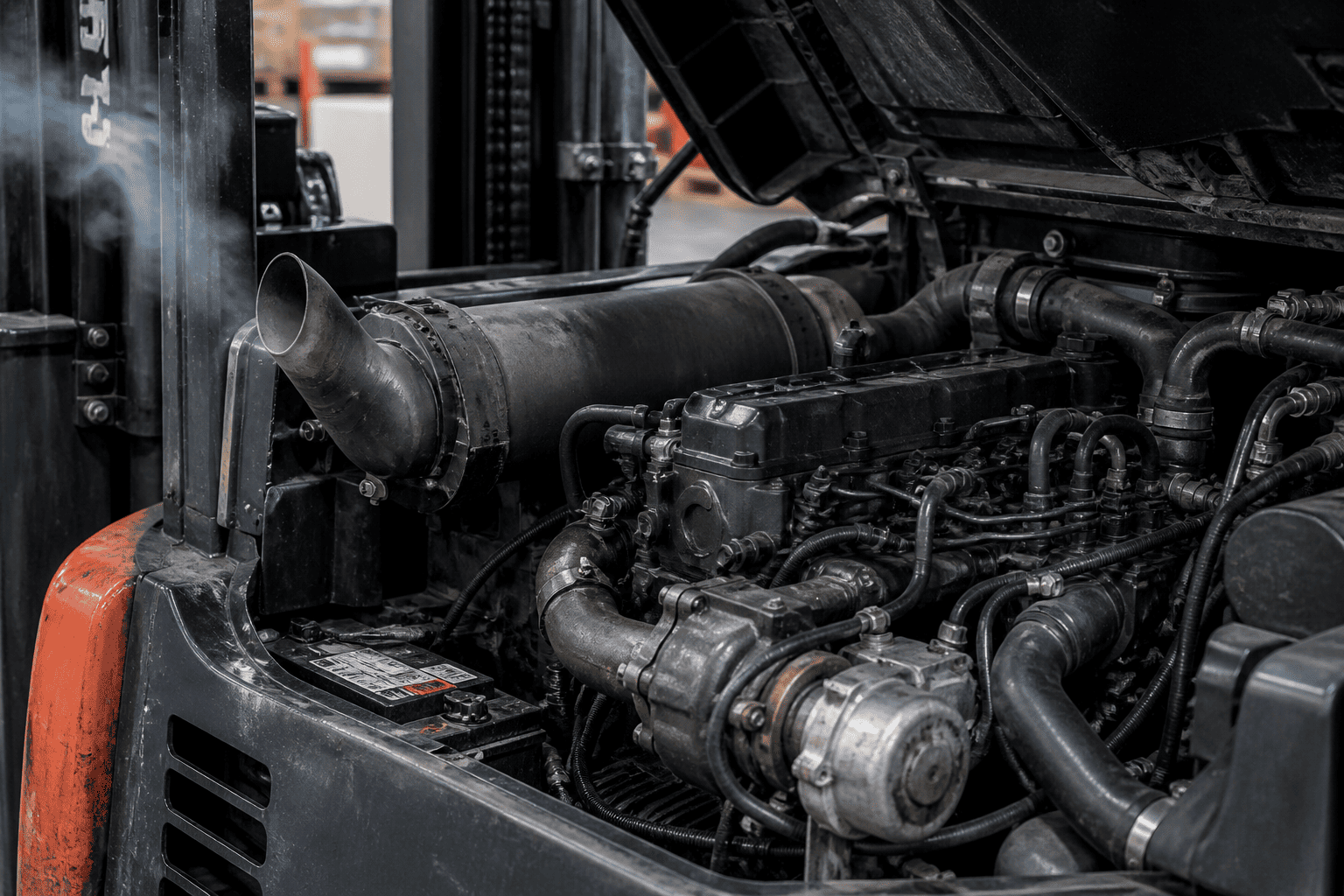
Based on the product specifications I review daily, it's clear that forklift noise is a mix of different sounds. The main source is, of course, the engine itself. The constant, controlled explosions inside the cylinders create a powerful rumble that defines a diesel machine. Connected to that is the exhaust system, which, even with a good muffler, is a major contributor to the overall sound level. Then you have the sounds of the machine doing its job. The hydraulic system creates a distinct whining noise when lifting heavy loads. The engine also sends vibrations through the forklift's frame, which creates more low-frequency noise. Finally, there are the operational sounds. The friction of tires on concrete, the clatter of the mast chains, and the loud, essential backup beeper all add to the total noise in your facility.
Understanding these different sources helps you see the full picture.
| Noise Source | Description | Impact |
|---|---|---|
| Engine & Combustion | The constant rumbling from the diesel engine's operation. | The most significant and continuous source of noise. |
| Exhaust System | Sound generated as exhaust gases are expelled. | A major contributor, though modern mufflers can help. |
| Hydraulic System | Whirring or whining sound when lifting or tilting the mast. | Intermittent but can be very loud under a heavy load. |
| Vibrations | The engine's vibrations transmitted through the chassis. | Creates a low-frequency hum that adds to the overall noise. |
| Operational Sounds | Tire noise, mast movement, and safety alarms (beepers). | Essential for safety but adds to the total soundscape. |
How Does Noise Impact Your Indoor Operations?
Does a little extra noise really matter in a busy warehouse? It does. Constant loud noise can lead to miscommunication, increased stress, and even create unseen safety risks for your team.
In indoor settings, high noise levels directly interfere with verbal communication6, making it harder for workers to hear warnings or instructions7. This can increase accident risks8, reduce productivity, and contribute to operator fatigue and stress over long shifts9, impacting overall workplace well-being.
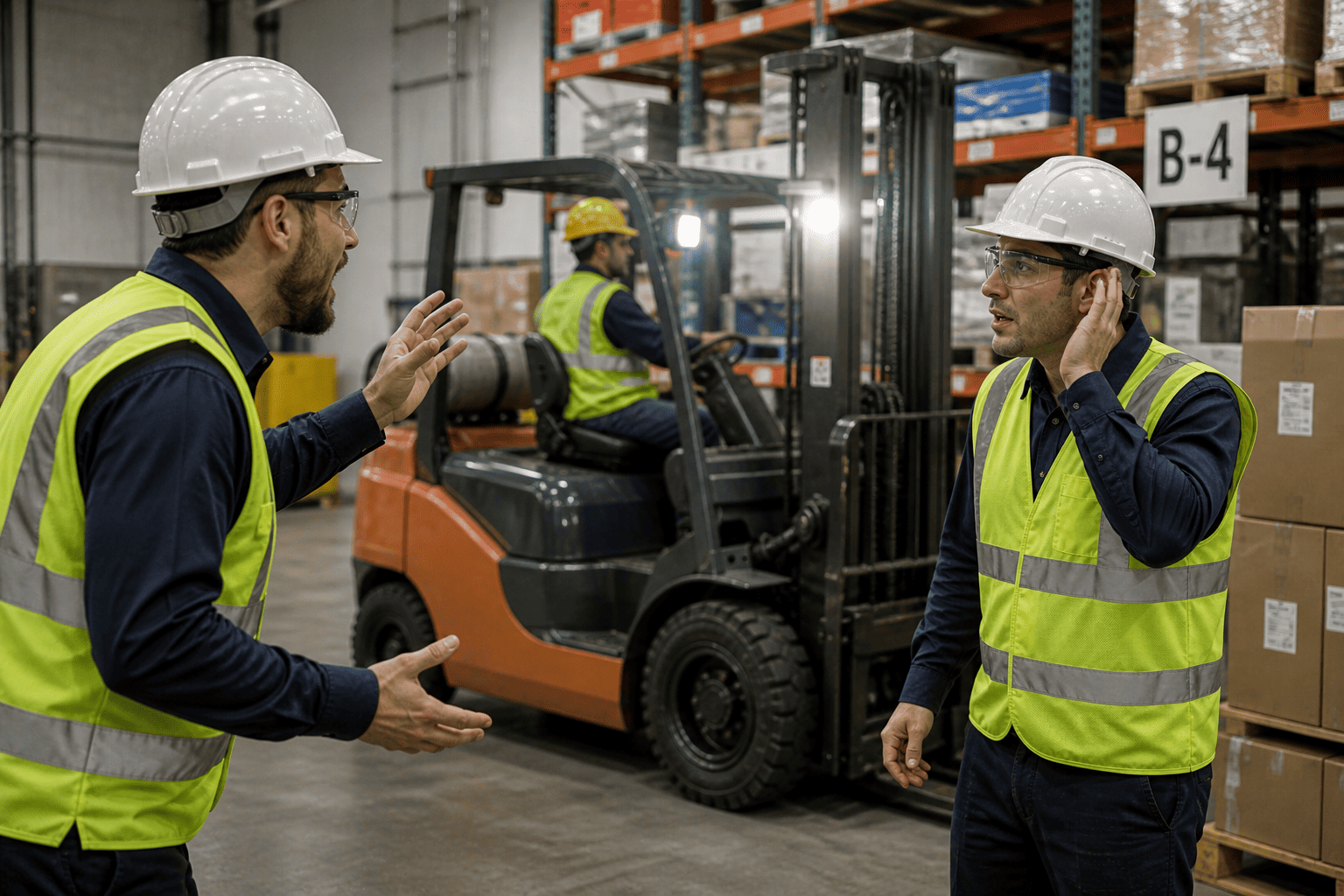
From the many discussions I have with clients about their warehouse needs, the impact of noise is a serious concern. It goes far beyond just being annoying. Inside a building, sound bounces off the walls, racking, and ceilings10, which can make a loud machine sound even louder. The biggest issue this creates is with safety. If a worker needs to shout a warning to a forklift operator, will they be heard over the engine? Clear communication is absolutely essential for preventing accidents and keeping the workflow smooth and efficient. Constant noise is also mentally draining. Imagine trying to focus while listening to a loud engine for eight hours straight. It reduces concentration and can lead to simple mistakes that hurt productivity. It also adds to worker stress. Many regions have regulations about safe noise levels in the workplace11. You should always check your local laws, but choosing quieter equipment like an electric forklift is a smart, proactive way to help ensure compliance and protect your team's long-term health.
Is a Quieter Forklift Always the Best Choice?
You've decided a quiet forklift is the answer. But choosing a model based on noise alone can be a costly mistake, leaving you with a machine that can't handle your actual workload.
Not necessarily. While electric forklifts are much quieter, the best choice depends on all your specific needs. You must also consider factors like load capacity, shift duration, charging infrastructure, and the total cost of ownership. A diesel forklift is often the better tool for heavy-duty outdoor work12.
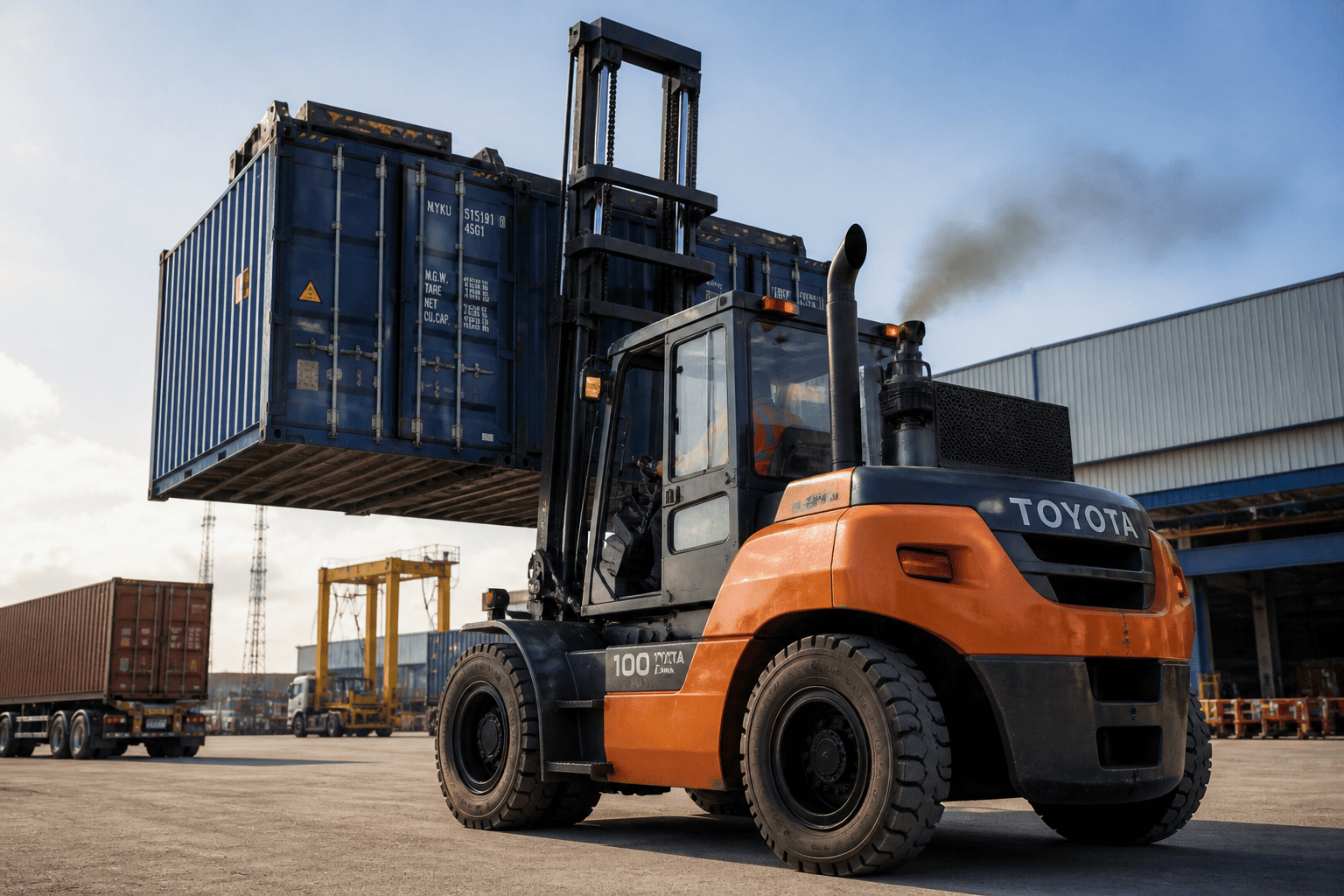
This is a point I always emphasize with buyers: a quiet forklift that can't do the job is a bad investment. The decision is always a series of trade-offs. Looking at supplier specifications, it's clear that diesel forklifts generally offer higher load capacities. They can also run around the clock with a quick refuel that takes only minutes. An electric forklift, on the other hand, needs several hours to recharge its battery. For a multi-shift operation, this might mean you need to buy and store extra batteries, which adds significant cost and complexity. To make a smart decision, you have to weigh all the factors together. I often use a simple table like this to help clients think through their priorities.
| Factor | Electric Forklift | Diesel Forklift | Key Question for Buyers |
|---|---|---|---|
| Noise Level | Very Low | High | How important is a quiet environment for my operation? |
| Emissions | Zero (at point of use) | Produces exhaust fumes | Will this be used indoors or in a well-ventilated area? |
| Load Capacity | Typically lower to moderate | Generally higher | What is the maximum weight I need to lift regularly? |
| Operating Time | Limited by battery life (4-8 hrs) | Can run continuously with refueling | Do I run single shifts or 24/7 operations? |
| Refueling/Recharging | Requires hours to recharge | Quick refueling in minutes | Do I have the space and time for charging stations? |
| Upfront Cost | Often higher | Often lower | What is my initial equipment budget? |
| Maintenance | Fewer moving parts, lower cost | More complex engine, higher cost | Am I prepared for routine engine maintenance schedules? |
So, if your main job is moving extremely heavy materials outdoors all day, a diesel forklift's power and uptime might be worth the noise. But for most indoor warehouse and logistics jobs, the combined benefits of a quiet, emission-free electric forklift are hard to beat.
Conclusion
Electric forklifts are quieter, but the best choice balances noise with your specific needs for capacity, runtime, and cost. Analyze your operation carefully to select the right machine.
"OSHA Technical Manual (OTM) - Section III: Chapter 5", http://www.osha.gov/otm/section-3-health-hazards/chapter-5. A neutral occupational-safety or technical source should document typical sound-level differences between electric-powered and internal-combustion industrial trucks, supporting the statement that electric forklifts generally produce lower operating noise. Evidence role: statistic; source type: government. Supports: Electric forklifts are significantly quieter than diesel models.. Scope note: Noise levels vary by model, tire type, floor surface, load, and warning-alarm configuration. ↩
"Forklift - Wikipedia", https://en.wikipedia.org/wiki/Forklift. An engineering or encyclopedia source defining electric forklifts as battery- or motor-powered industrial trucks would support the distinction from diesel forklifts that use internal-combustion engines. Evidence role: definition; source type: encyclopedia. Supports: Electric forklifts operate without an internal combustion engine.. Scope note: This supports the drivetrain distinction, not the magnitude of any noise reduction by itself. ↩
"The effect of exhaust gas recirculation on the combustion noise level ...", https://ui.adsabs.harvard.edu/abs/1997iece....3..101B/abstract. A source on internal-combustion-engine noise should explain that combustion processes, exhaust flow, and related mechanical vibration are major contributors to engine sound, supporting the mechanism described here. Evidence role: mechanism; source type: paper. Supports: Engine combustion and exhaust are primary sources of noise in diesel forklifts.. Scope note: General engine-noise literature may not measure forklifts specifically, so it would provide mechanism rather than forklift-specific sound levels. ↩
"Workplace Noise: More than just "All Ears | NIOSH Science Bulletin", https://www.cdc.gov/niosh/bulletin/2018/noise-effects.html. Occupational-health guidance on workplace noise should support that lower background noise improves speech communication and reduces annoyance or stress-related effects in work settings. Evidence role: expert_consensus; source type: government. Supports: Low noise levels are important for workplace communication and worker comfort.. Scope note: Such guidance usually addresses workplaces broadly rather than forklift-only environments. ↩
"eTool : Powered Industrial Trucks (Forklift) - Types & Fundamental", http://www.osha.gov/etools/powered-industrial-trucks/types-fundamentals/parts/warning-safety-devices. A forklift safety or occupational-noise source should describe multiple contributors to powered-industrial-truck noise, including engine, exhaust, hydraulics, tires, vibration, and alarms. Evidence role: general_support; source type: government. Supports: Diesel forklift noise comes from multiple sources, not only the engine.. Scope note: The relative contribution of each source depends on the truck design and operating environment. ↩
"Understand Noise Exposure | Noise and Hearing Loss - CDC", https://www.cdc.gov/niosh/noise/prevent/understand.html. Occupational-noise guidance should state that elevated background noise can mask speech and warning signals, supporting the claim that loud indoor operations interfere with verbal communication. Evidence role: mechanism; source type: government. Supports: High noise levels interfere with verbal communication in indoor workplaces.. Scope note: The degree of interference depends on sound level, distance, hearing protection, and the frequency content of the noise and speech. ↩
"1910.95 - Occupational noise exposure. - OSHA", http://www.osha.gov/laws-regs/regulations/standardnumber/1910/1910.95. A workplace-safety source should document that noise can mask warning signals or spoken instructions, providing support for the safety communication risk described here. Evidence role: expert_consensus; source type: government. Supports: Noise can make it harder for warehouse workers to hear warnings or instructions.. Scope note: This establishes a recognized hazard pathway, not a quantified accident rate for this specific warehouse. ↩
"Evaluation of the increased accident risk from workplace noise", https://pubmed.ncbi.nlm.nih.gov/19534848/. Research or occupational-safety guidance should indicate that excessive workplace noise may contribute to accidents by impairing communication, attention, or warning-signal detection. Evidence role: general_support; source type: paper. Supports: High workplace noise can increase accident risk.. Scope note: Noise is one risk factor among many; a source may not isolate forklift noise as the sole cause of accidents. ↩
"The relevant factors of work-related fatigue for occupational vibration ...", https://pmc.ncbi.nlm.nih.gov/articles/PMC9005887/. Occupational-health literature should support that prolonged exposure to workplace noise is associated with stress, fatigue, or reduced well-being among workers. Evidence role: expert_consensus; source type: paper. Supports: Long-shift exposure to high noise can contribute to operator fatigue and stress.. Scope note: Evidence may be general to occupational noise exposure and not specific to forklift operators. ↩
"Understanding Acoustic Design & Sound Behavior for Optimal ...", https://vdci.edu/learn/interior-design/acoustic-design-sound-behavior. An acoustics source should explain that reflected sound from hard indoor surfaces increases reverberation and can raise perceived or measured noise in enclosed spaces. Evidence role: mechanism; source type: education. Supports: Indoor warehouse surfaces can reflect forklift noise and make it seem louder.. Scope note: This supports the acoustic principle; the amount of increase in a specific warehouse requires site measurement. ↩
"1910.95 - Occupational noise exposure. - OSHA", http://www.osha.gov/laws-regs/regulations/standardnumber/1910/1910.95. An occupational-safety regulator or international labor source should document legally defined or recommended workplace-noise exposure limits, supporting the statement that workplace noise is regulated in many jurisdictions. Evidence role: historical_context; source type: government. Supports: Many regions regulate safe workplace noise levels.. Scope note: Specific limits, measurement methods, and enforcement duties vary by country or region. ↩
"Powered Industrial Trucks (Forklift) - Types & Fundamentals - OSHA", http://www.osha.gov/etools/powered-industrial-trucks/types-fundamentals/types/classes. A neutral industrial-truck classification or safety source should indicate that internal-combustion forklifts are commonly used for outdoor or heavy-duty applications, providing contextual support for this operational comparison. Evidence role: general_support; source type: institution. Supports: Diesel forklifts are often better suited to heavy-duty outdoor work.. Scope note: This is a general application pattern; some electric forklifts are designed for high-capacity or outdoor use, and suitability depends on the specific model and duty cycle. ↩